Lipstick has long been one of the most popular cosmetic products. Videos showcasing lipstick swatches are a huge hit on live-streaming platforms and e-commerce sites; some beauty influencers have even garnered massive followings by testing over 300 shades in a single day. Lipstick is truly a powerful tool for enhancing one’s overall look and making the skin appear fairer. Even those who don’t usually wear makeup often apply lipstick; it gives the lips a glossy, beautiful sheen and imparts a healthy, vibrant glow to the face.
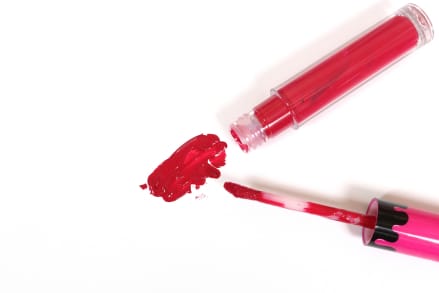
In fact, lipstick has been a favorite among women throughout history. Ancient people used lip balms or tints to adorn their lips and enhance their makeup, prizing a look characterized by small, cherry-red, glossy lips. Modern lip makeup encompasses a wide array of products—such as traditional lipsticks, lip glazes, and lip glosses—offering a dazzling variety of colors and textures to suit any look. When did lipstick originate? What exactly is inside it? Let’s take a closer look at lipstick today.
The History of Lipstick
In my country, lip balms or tints—the precursors to modern lipstick—have existed for a very long time; their use dates back as far as the pre-Qin era. The *Qimin Yaoshu* (Essential Techniques for the Welfare of the People), a text from the Northern Wei Dynasty, records a method for making lipstick: cloves and patchouli were steeped in slightly warmed wine to infuse the liquid with their fragrance. Once fully infused, the mixture was strained through cotton cloth to remove the solids, retaining only the warm, scented wine. Beef tallow was then added and simmered over a low flame. While the mixture was still hot, fine cinnabar powder was stirred in, along with vegetable oil to enhance the shine. After thorough mixing, the product was left to cool naturally, completing the process.
Lipstick Ingredients
Base: Oils, waxes, and emollients that allow the lipstick to set and remain durable.
Waxes: Carnauba wax and beeswax are the most commonly used; carnauba wax is prized for its high melting point. Spermaceti is another example.
Oils and Esters: Castor oil, lanolin, cocoa butter, liquid paraffin, olive oil, glyceryl monostearate, isopropyl myristate, etc.
Emollients: These improve color adhesion to the lips and provide moisturization; lip glosses, for instance, contain higher levels of oil and lower levels of wax. Colorants. These consist of pigments or dyes; the pigments used in lipsticks must be finely ground to ensure even adhesion to the lips. The most widely used soluble coloring dye is bromo acid red.
Fragrances and flavorings. These are used to mask the taste of the other ingredients mentioned above.
The tube-style lipsticks we see today are the result of gradual evolution and rigorous formulation and testing. They come in a wide range of shades—from common “bean paste” (muted rose) tones to dark black and “overripe tomato” red. Subsequently, functional lipsticks emerged, offering benefits such as moisturization, color-changing properties, and even therapeutic effects for conditions like cheilitis (lip inflammation).
Lipsticks are primarily formulated from waxes, oils, emollients, colorants, fragrances, and other ingredients; antioxidants and preservatives may also be added during manufacturing.
Lipsticks with a shimmering effect often contain ingredients such as mica, iron oxides, and titanium dioxide. Certain bright red or dark red shades may even contain dried cochineal insects—parasites found on cacti. The manufacturing process is relatively straightforward: specific proportions of wax, oil, and fragrance are heated and blended, then poured into molds to cool and set. The exact formulation varies from one lipstick to another.
Conclusion
People who wear lipstick may inadvertently ingest small amounts while speaking, drinking, or eating, but this has a negligible impact on health. There is no need to be overly concerned about the frequently discussed issue of lead content; national regulations prohibit the addition of lead to cosmetics. While trace amounts might inadvertently find their way in during production, the resulting health risk is virtually non-existent.
It is important, however, to choose lipsticks from reputable brands that guarantee quality.